24 HOURS · LONG BEACH

Cerritos water damage restoration 1970s tracts, perched water

SOS Restoration of Long Beach works Cerritos, from the mall to the county line. We dry the house, then put it back. Crews are bilingual, and the look is free. Most homes here are 1970s tracts. Call (657) 660-4185.

A technician working on a wall beside a green living wall and a screen in a commercial space

TRUSTED BY OVER 14,000 HOMEOWNERS

We Are Southern California’s Premier Home Restoration Company

Why is the plumbing usually the cause?

The water here is younger pipe over surprisingly high groundwater.

Because three quarters of Cerritos went up in the 1970s.

77.9 percent of homes were built between 1960 and 1979, and only about five percent predate 1960. That means copper and early plastic supply lines, the kind that fail at the fitting.

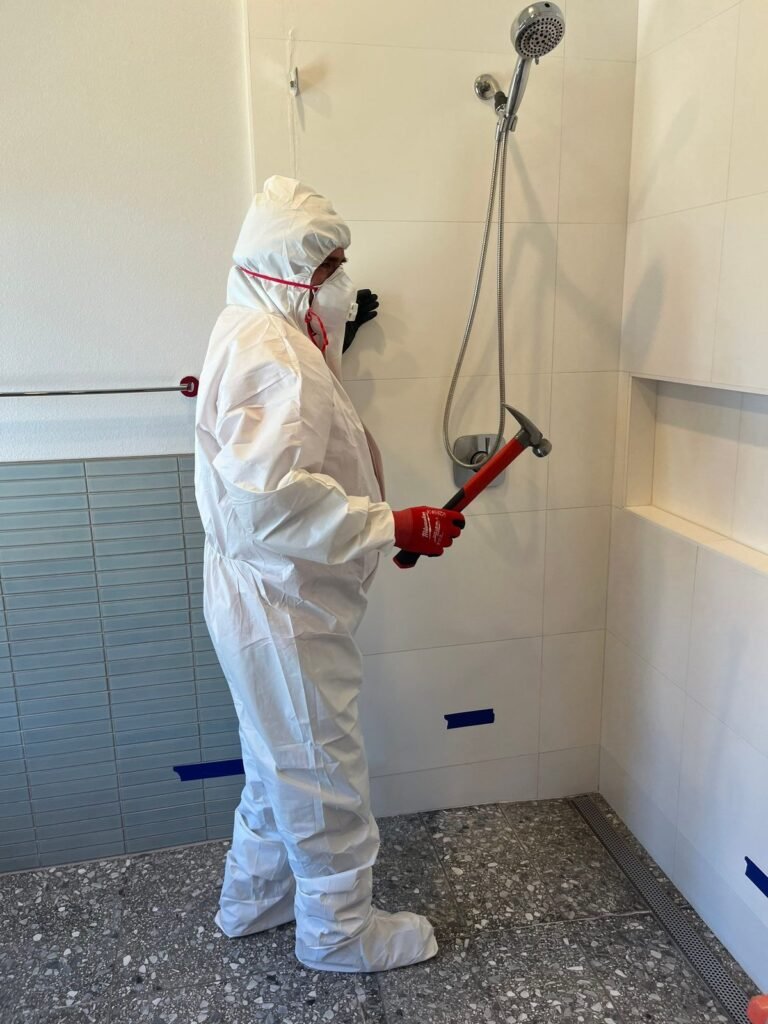
Baseboards removed and the wall cavity opened to dry a living room
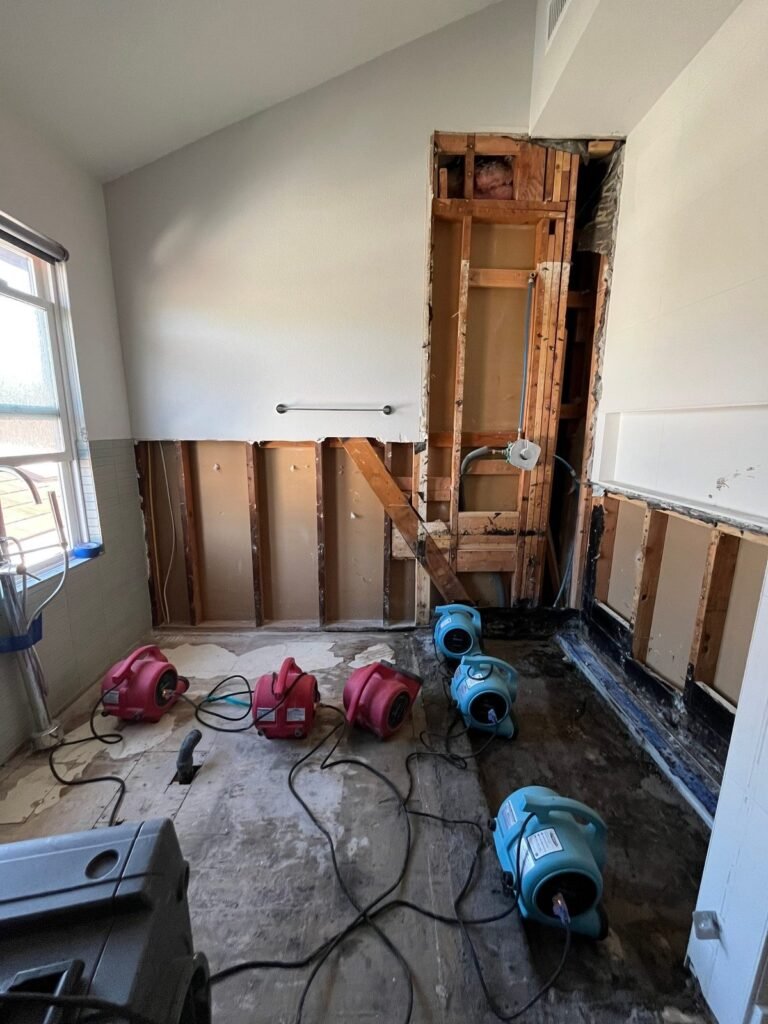
Air movers positioned in a bedroom with the wet area marked off

How close is the groundwater?

Close. Perched water sits within a few feet of the surface.

The city’s safety plan says perched groundwater lies just below grade in many areas, and the whole city is liquefaction-prone. That keeps slabs and crawl spaces damp, so we meter for it early.

Does Cerritos flood?

Barely. It sits in Zone X with no repeat-loss homes.

Cerritos is mapped in Zone X, and its hazard plan reports no repetitive-loss flood properties. The realistic flood scenario here is not rain at all.

Air scrubber running in a living room to clear smoke odor
A laundry room cut at the base with a red dehumidifier and blue air mover running

What is the dam scenario?

Whittier Narrows water reaching the city in about fifteen hours.

The city’s own planning names dam failure, not rainfall, as its flood risk. It is a rare event and does not change how we dry a burst line today.

What do you bring to a Cerritos job?

All six, and the high water table runs through several.

Ready for whatever the house threw at you

Water damage

Seventies copper and plastic; pulled and dried.

Mold

Perched water keeps slabs damp; the edge metered directly.

Fire and smoke

Char washed down, the odor drawn from the studs.

Storm and debris

Zone X, though an old roof still lets a storm in.

Sewage

Category-three water pumped; the porous goods bagged.

Reconstruction

A 1970s tract put back for one set figure.

The slab reads damp with no leak. Why?

Groundwater this shallow wicks up through the concrete.

When the water table sits a few feet down, a bare slab stays damp on its own. A missing vapor barrier mimics a leak exactly. We meter to tell the two apart before opening anything.

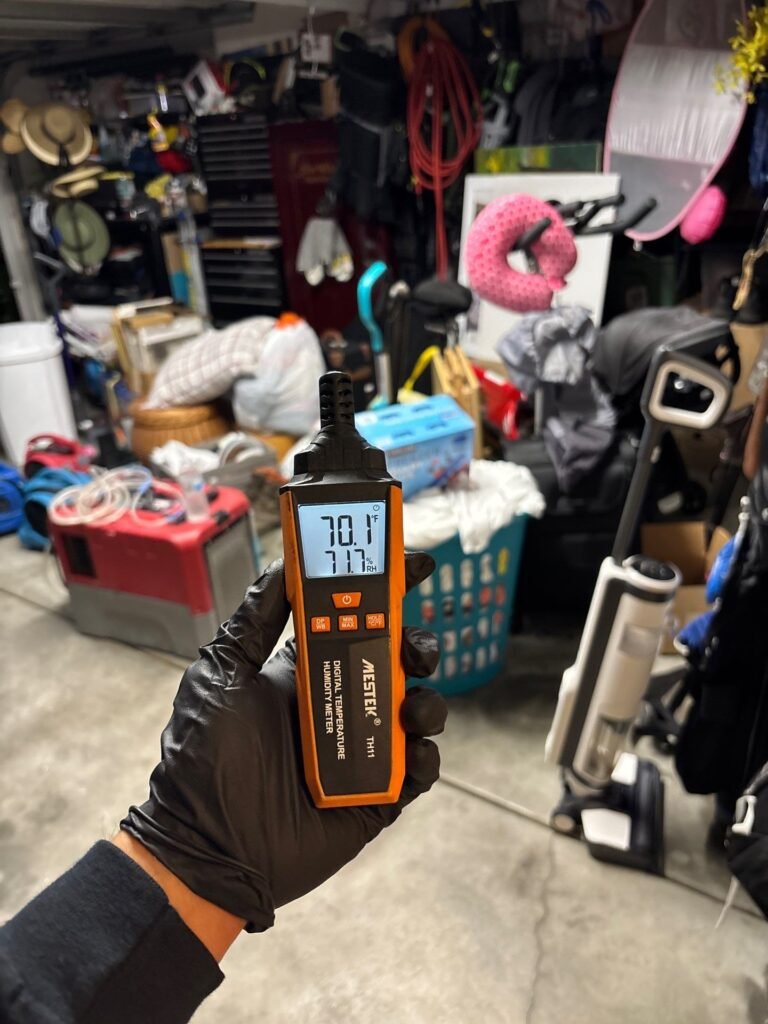
Temperature and humidity reading taken in a garage
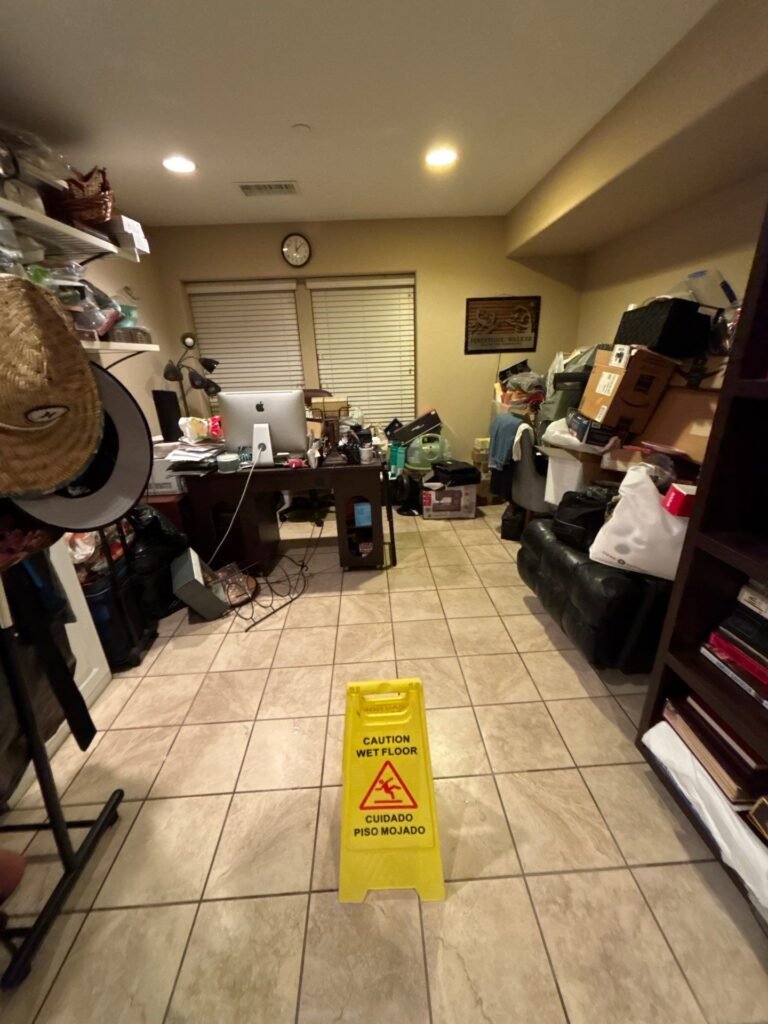
Wet floor sign placed in a hallway while water is removed

Who gives the final sign-off?

The city inspector; we build to what passes.

IICRC #70194273 for the drying, CSLB #1131134 for the rebuild, one crew. The same rate card covers Bellflower and Lakewood nearby. Ask the dispatcher what your tract needs.

When is it not a job here?

When the meter reads dry behind the paint.

We still come out and read it, and that visit costs nothing. Cerritos tract walls hold water quietly, so the reading is worth having either way.

SOS Restoration technicians wrapping a sofa before drying begins in a home

Rather write it than talk? Leave it here and we call you back.

The number is the part that matters. The rest just tells us which crew to send and how far up the road they are going.

Emergency contact — SOS Long Beach

Shallow groundwater keeps a Cerritos slab damp, so do not wait.