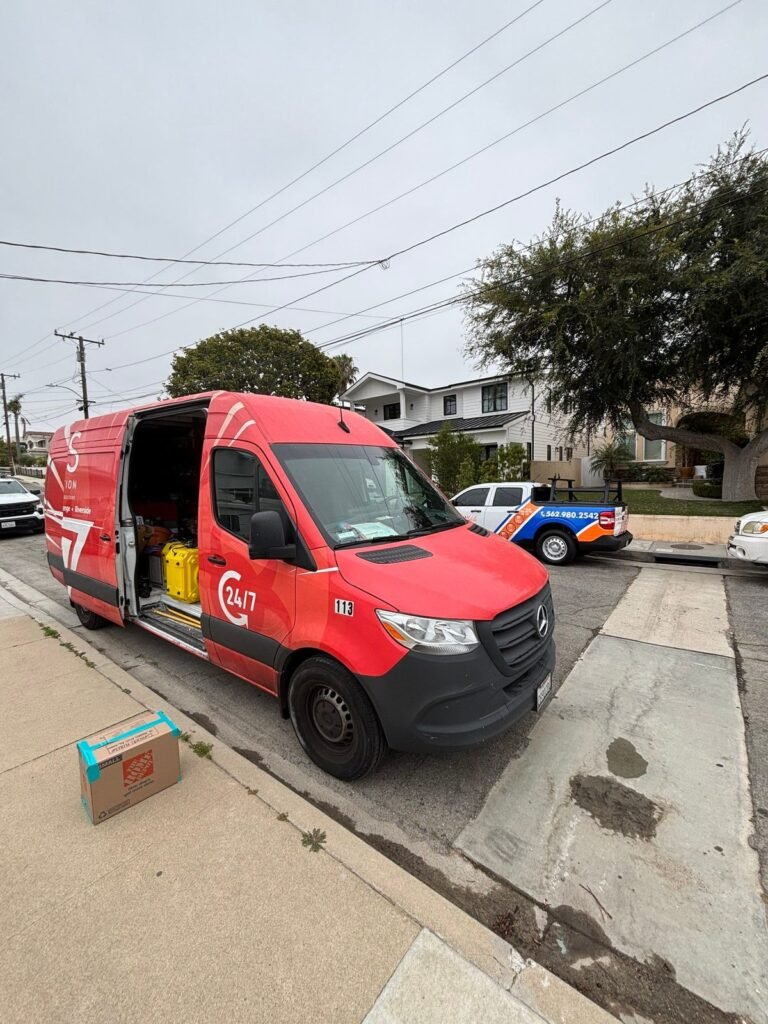
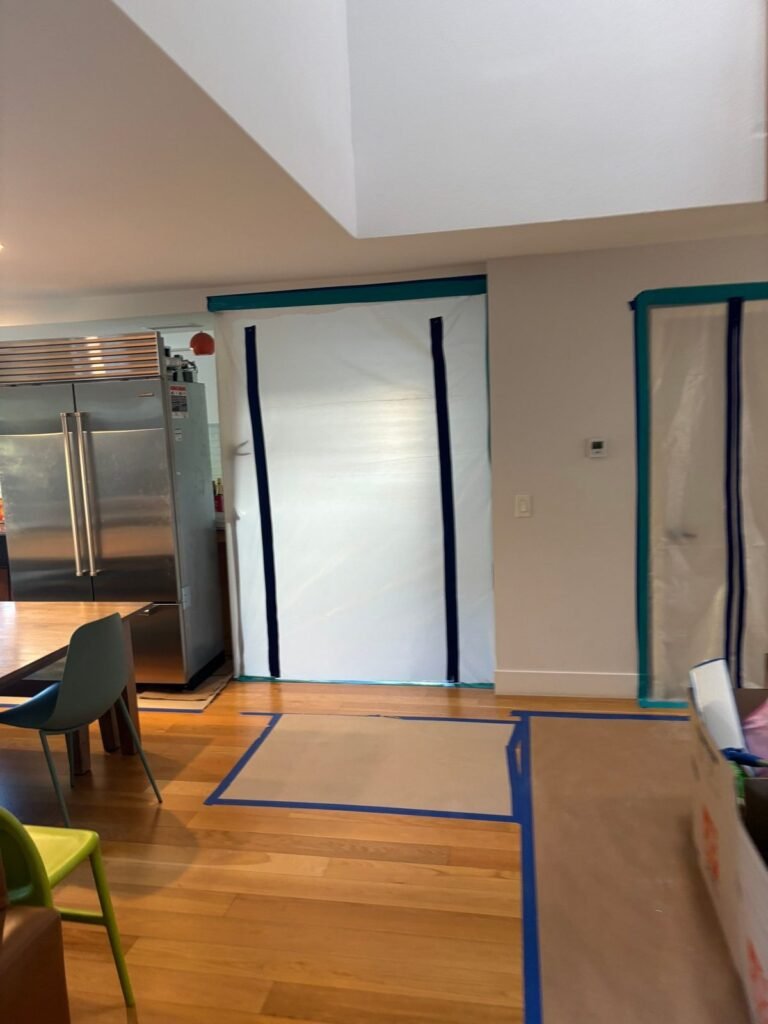
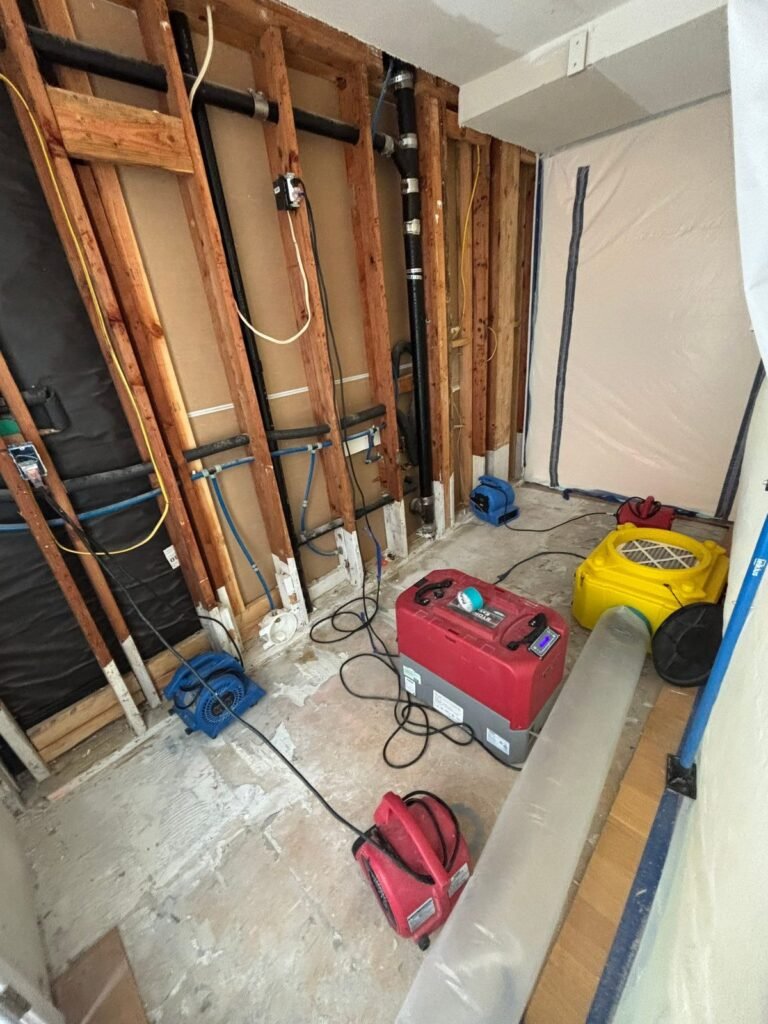
SOS Restoration of Long Beach works Signal Hill, the hill ringed by the bigger city. We pull the water, then rebuild. The crew speaks both languages, and the walk-through is free. Nearly all of it stands over drilled ground. Call (657) 660-4185.
The oil under this hill shapes almost every job we take here.
Because the stock here skews recent, and newer pipe fails less.
Only 23.9 percent of Signal Hill homes predate 1960, against 53.5 in the city around it. The biggest building decade was the 1980s. Newer supply lines still burst, but the reasons narrow.
Does the oilfield touch a water job?
On this hill it can, because a well may sit under the slab.
About 2,618 of the 2,900 wells in the Long Beach Oilfield are inside these 2.25 square miles, and hundreds remain. We note what is mapped under a floor before we open it.
A permit here: what is different?
Every project needs a methane report before the city will issue one.
Signal Hill requires a Site Methane Assessment and mitigation plan citywide, well or no well on the lot. A rebuild here plans for that from the first drawing, not the last.
Where does the tap water come from?
From the city’s own two wells, about a thousand feet down.
Signal Hill runs its own utility, pulling roughly ninety percent from two Central Basin wells. A supply-line break here is the city’s water on your floor, and we treat it the same as any leak.
What do you bring to a Signal Hill job?
All six, and the oilfield runs under most of them.
Ready for whatever the house threw at you
Water damage
Newer pipe over drilled ground; metered and dried.
Gas and moisture both move through ground this worked-over.
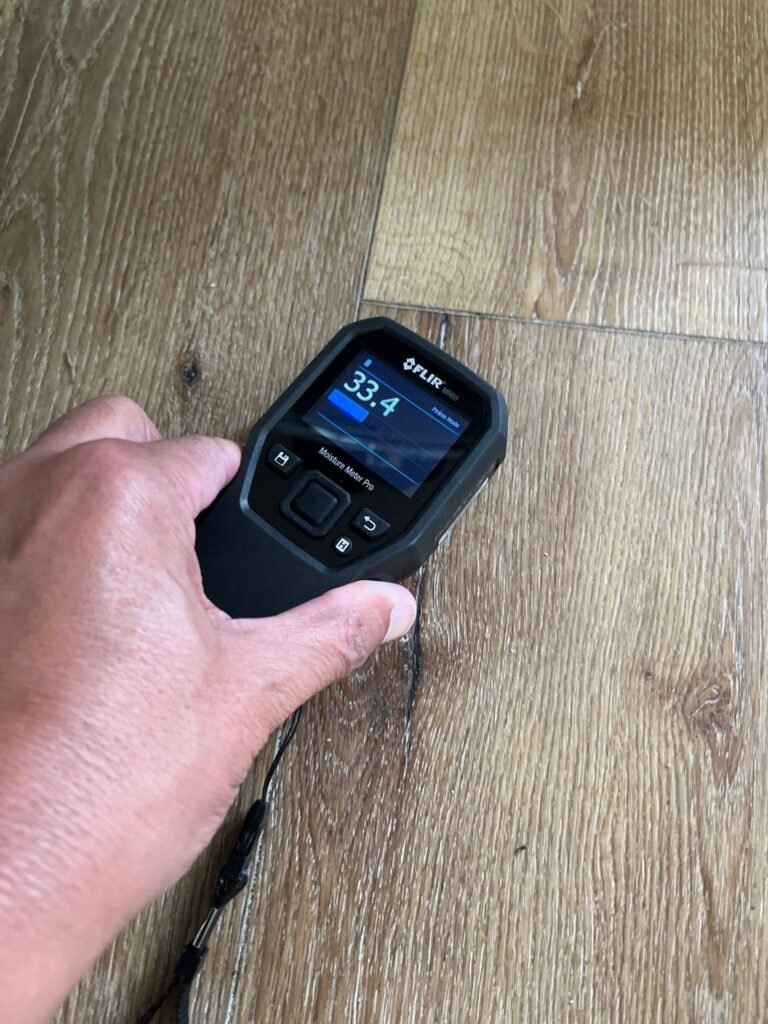
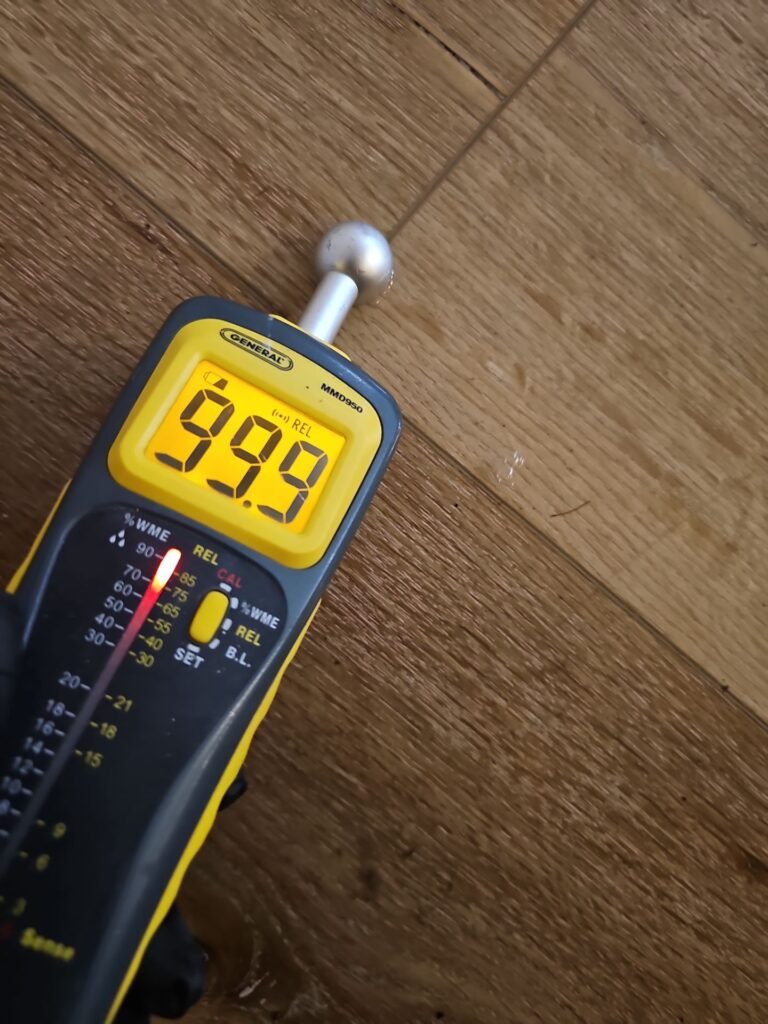
Drilled, capped and refilled ground does not sit still. Moisture wicks up where the fill is loose, and it reads like a slow leak. We meter the slab before deciding what is wrong.
Who signs off on the finished work?
The city, once the rebuild meets its methane and building code.
We build to what Signal Hill inspects, so the sign-off is routine. The drying answers to IICRC #70194273, the rebuild to CSLB #1131134. The same rate card covers Carson and Lakewood nearby. Ask the dispatcher what your lot needs.
What do you refuse on the hill?
Old field infrastructure under the lot is not ours and never was.
Signal Hill sits over worked ground. We handle what the water did inside the building. Anything below the slab is not ours: that is another trade.
Nearby
Signal Hill sits inside Long Beach, so the same truck covers both without a freeway in between; the other cities on this list are the next ring out.