
The estimate says one number and the check is smaller
After a water or fire claim in Long Beach, the first check is usually smaller than the estimate on purpose. It pays what your damaged floor or roof was worth used, not what a new one costs today. If your policy replaces at full cost, the rest of the money comes after the work is done.
Nobody explained the gap, and the number on the check does not buy what the estimate describes. One column on that estimate did the subtracting, and there is a rule behind it.
What's the difference between RCV and ACV on my estimate?
Replacement cost value, RCV on the page, is what a new one costs today. Actual cash value, ACV, is that same number with money taken off for the years your old one already spent in the house. Same floor, priced twice, and the smaller price is what most first checks get cut from.
That subtraction is not somebody’s mood on the day. California’s Insurance Code sets it for a partial loss: the cost to repair or replace what was damaged, less a fair and reasonable deduction for physical wear, judged by the condition the thing was in the day it happened, capped at your policy limit.
Say the carpet was most of the way through its life when the little hose under the sink let go. It gets priced once as new carpet of similar kind and quality. Then again as that same new carpet, minus the years you already used up. Two totals, one job, and nothing about the second one means somebody is cheating you.
The estimate shows you both numbers. Only your policy says which one settles your claim, and that single fact decides everything else on this page. Find it first.
Where are those two numbers on the paperwork?
Pull the summary page. The two totals sit a few lines from each other with a depreciation column between them doing the subtracting, and every line of the estimate carries its own small deduction. Overhead and profit, if it shows up at all, is a separate argument with separate logic, and what overhead and profit means on a restoration estimate has a page of its own.
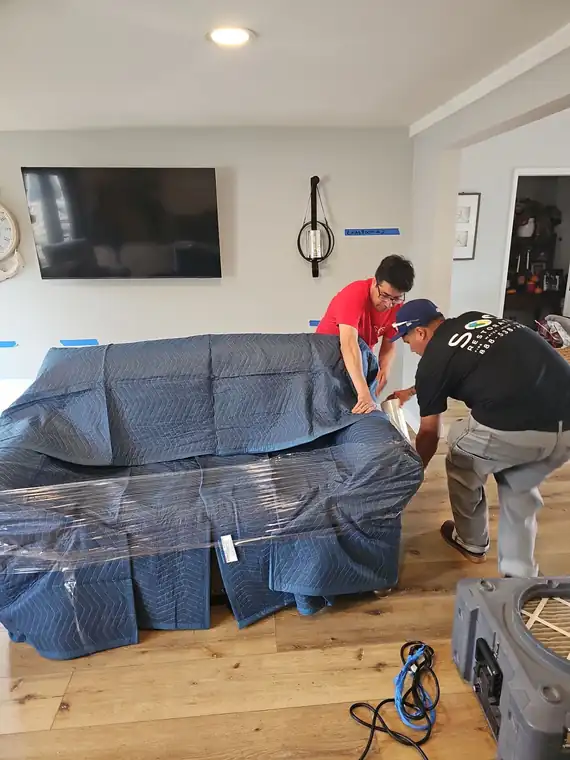
Why was depreciation taken out of my check?
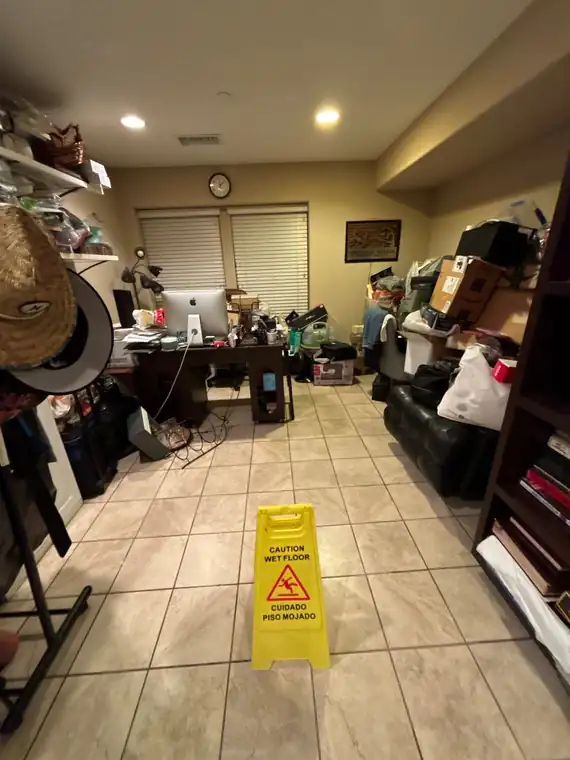
The money came off because a policy settling on actual cash value pays what the damaged material was worth the day it got wet, not what a new one costs at the store this week. The estimate priced a new floor. The policy paid for the floor you actually had.
Age does most of that arithmetic, which is why identical policy wording bites harder in some parts of Long Beach than others. In the 1920s bungalows around Belmont Heights and the Craftsman blocks in Wrigley, the oak floor, the plaster and the roof that got wet have been in the house for decades, so the deduction on those lines runs deep. A floor you put in yourself five years ago barely moves.
Not every line is allowed to be depreciated at all. Age comes off the parts of a house you expect to replace at some point in its life, and it stays off the parts you do not. Carpet, paint and roofing wear out on a schedule. The framing behind your drywall does not, so nothing should be coming off it.
And whatever does come off has to be shown to you piece by piece. The state’s claim rules are specific about it: each deduction listed on its own, in dollars, with the reason for it given to you in writing. One lump sum at the bottom of the page with nothing behind it does not meet that description.
Labor is the line to check first. Hours do not wear out the way a carpet does, and what the state tells carriers after a major disaster is blunt: labor is not to be written down for age at all. If a line on your estimate takes depreciation out of labor, email your carrier’s adjuster the line number and ask which part of the house that labor is supposed to have worn out.


Will I get the rest of the money?
If your policy settles on replacement cost, yes. The held-back part has a name, recoverable depreciation, and it comes due once the repair is actually made: the difference between the check you already got and what the replacement really cost, up to your limit.
So the second check is a reimbursement, not a bonus. It follows paper. Keep the bill for the drying, the dump ticket, the receipt for the fans you bought at eleven at night before anyone got there, and the flooring contract when it comes.
Some policies settle on actual cash value and stop there. That is a different contract, there is no second payment waiting behind it, and the difference matters most to the person who has already promised a contractor a budget built on the bigger number.
How long do I have to collect it?
You do not have forever, and the clock starts at the first check, not at the end of the job. California will not let a policy give you less than twelve months from that payment to come back for the rest.
A loss tied to a declared emergency gets longer, three years instead of one, with a further extension behind it for good cause. Your own policy is free to be more generous than the floor. We have not read it and cannot read it for you, so call the number on your declarations page, the one-page cover sheet of the policy, ask for your date in writing, and keep the answer with the estimate.
What if I never do the repairs?
Nothing forces you to do them. If you don’t, the held-back money generally stays held back, because that second payment is tied to the work actually happening.
Some people choose that on purpose. They take the smaller check, live with the older floor, and keep the difference. It is a legitimate choice and nobody should feel shady about it. It turns into a problem only when a homeowner assumed the whole estimate was coming and committed to spending it.
With a mortgage on the house the choice may not be entirely yours. Repair money often arrives on a check with the bank’s name printed next to yours, and the lender keeps it, letting it out in stages as the work gets done and gets inspected. That is also the usual answer to why a check showed up that you cannot cash on your own.
Is the first check the whole settlement?
The first check is usually not the whole settlement. Early money is normally paid on account, meaning a payment made while the file is still open and the list of damage is still growing. What deserves suspicion is the offer described as full and final, and above all the one that comes with a release attached, a page saying you will not come back for more. Sign that and whatever the list missed becomes yours to pay for.
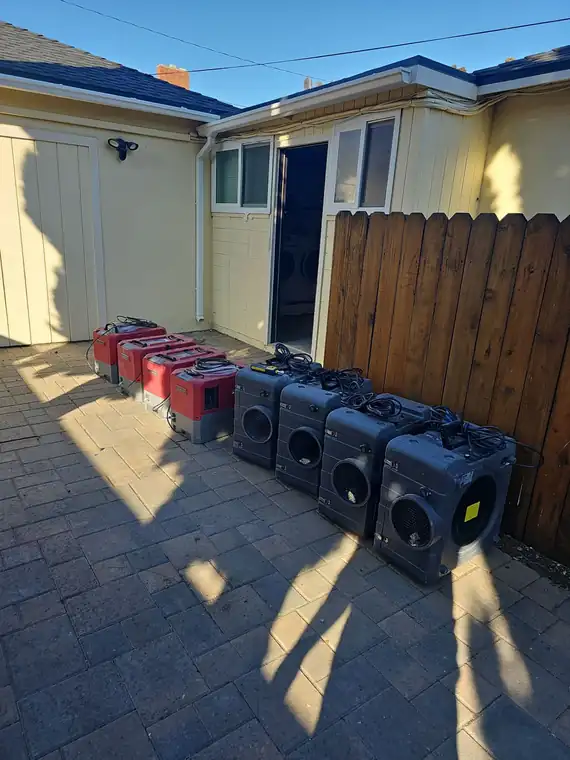
Read what you are asked to sign. All of it, before the drying equipment leaves the hallway.
The emergency work catches people out too. That invoice lands while the rebuild estimate is still being typed, so the two read like separate errands, which is why what the drying itself costs belongs in the same conversation as the check.
What should I ask for before I argue about the number?
Ask for the paperwork before you argue about anything on it. When the settlement is built on a written scope, the itemized list of what gets fixed and what each piece costs, that the insurer had prepared, they owe you a copy of every document it rests on. This is not a favor you are asking for. Put the request in writing and it gets sent.
- Every document the settlement was built from, the scope and the photographs included.
- The depreciation broken out line by line, in dollars, with the written reason behind each one.
- Whether labor was depreciated on any line, and if so, which lines.
- Which basis your policy settles on, replacement cost or actual cash value.
- The date by which the held-back money has to be claimed.
- The list of documents they want to see before they release it.
Here is the part the paperwork leaves out. We have not read your policy, we are not a party to it, and no restoration company can tell you what your coverage is or how your claim will land. A public adjuster, someone you hire for a cut of the claim to argue it on your behalf, does that work and answers to the state for it. Ask in writing, because a written question about the carrier’s own numbers gets a written answer. A fight about coverage is a lawyer’s question.
What we can put in your hands is evidence. Our tech takes a moisture reading in every wet room every day he is on site, photographs the baseboard before it comes off, and leaves you a written list of what got cut out and why. That file is what a depreciation argument gets decided against. If you are earlier in this than the page assumes, the walkthrough of how a water damage claim runs in Long Beach starts back at the first phone call, and the rest of the guides take apart one line item each, the way this one takes apart the depreciation column.

What does O&P mean on my damage estimate?
What to photograph before anything moves
Can We Stay in the House During the Work?
If the fans are still running in your Long Beach hallway while you read this, call (657) 660-4185 at whatever hour it is, because the drying will not wait and the depreciation column will still be there tomorrow.